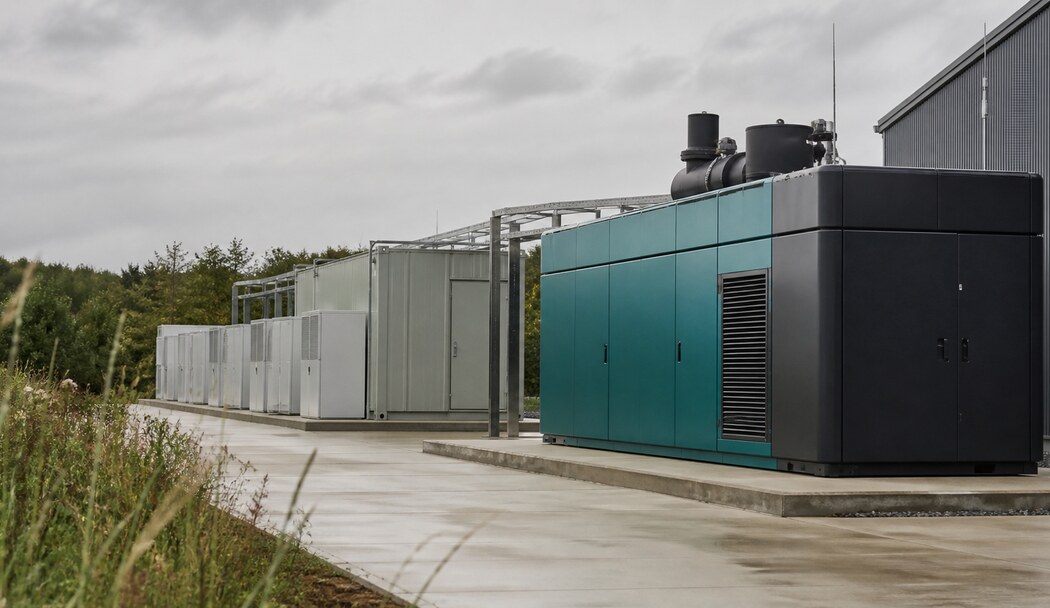
A backup system earns its place through availability and recovery, not nameplate output alone. Load shape and fuel logistics are the starting point.
Define the failure to survive
Backup planning should begin with the service that must continue: controls, refrigeration, communications, safety systems or a full site load. Each has a different duration, restart and power-quality requirement. A microgrid can add value when it coordinates those needs instead of sizing every component for the largest theoretical event.
Fuel logistics are part of resilience
A generator is not resilient if its fuel plan is unclear. Storage, delivery access, inspection, ventilation and the time needed to restore supply belong in the same conversation as stack performance. Making the logistics visible helps a project compare a compact local system with a larger but more dependent arrangement.
Maintenance closes the loop
Availability depends on inspection, replacement parts, testing and a clear return-to-service procedure. A credible plan distinguishes routine checks from a prolonged outage and names who owns each decision. That operational detail is where a technically promising microgrid becomes a dependable one.
Continue the reading
This desk treats hydrogen as a connected system. Read the Hydrogen Systems Field Guide for the wider map, or browse the Hydrogen Systems topic index to compare adjacent questions.