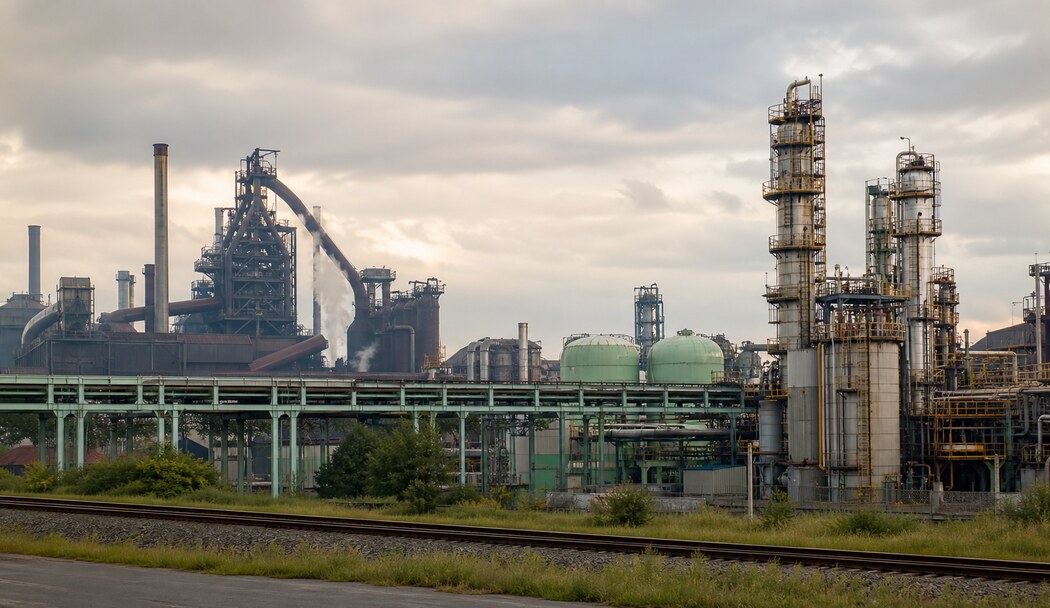
A demand cluster is more than a list of customers. It is a shared system of volume, timing, infrastructure, quality and risk.
Start with the process, not the headline
Steel, fertilizer and refining use hydrogen differently and have different tolerance for interruption, quality variation and retrofit work. A cluster study should map the process step that needs hydrogen, its current input and the change required. That creates a more honest picture of what can be shared.
Shared infrastructure has conditions
Pipelines, storage, certification and dispatch can reduce duplicated work, but they also create dependencies. A strong plan shows where a shared asset improves the system and where it could become a bottleneck. The distance between a producer and a customer is only one part of the decision.
Timing is a commercial variable
Projects rarely align perfectly. One customer may be ready to convert while another is still testing equipment or waiting for a contract. Phasing, interim supply and clear quality terms can keep a cluster coherent without pretending that every site reaches the same milestone at once.
Continue the reading
This desk treats hydrogen as a connected system. Read the Hydrogen Systems Field Guide for the wider map, or browse the Hydrogen Systems topic index to compare adjacent questions.